If you’ve ever Googled how to get more leads for your business, you’ve probably landed on advice about lead generation and sales that feels more like it was written for a corporate sales team than someone running a coaching or service-based business.
From the outside, lead generation looks like a straight line. Build an audience. Talk about your offer. Invite people to buy.
But once you’re inside it, that’s rarely how it plays out. You might be visible, posting content, or even growing an email list, yet still feel unsure which people are actual leads and which ones are just paying attention. Some people raise their hand, others disappear, and sales start to feel unpredictable instead of supportive.
That’s usually when frustration sets in.
What most people don’t realize is that sales problems rarely start at the point of selling. They almost always start earlier, inside the lead generation process itself.
If you want to know how to get more leads who actually turn into clients, the work begins before you ever think about conversion.
Before You Worry About Lead Generation, Get Clear on Who You’re For
One of the biggest reasons lead generation feels confusing is because many business owners aren’t fully clear on who they’re trying to attract in the first place.
When that clarity is fuzzy, everything downstream gets harder. Followers start to feel like leads. Engagement feels like interest. And you end up spending time responding to people who were never a good fit to begin with.
Knowing your ideal client isn’t about creating a cute avatar. It’s about being able to recognize alignment when it shows up.
You want to be able to answer things like:
- Who is this actually for?
- What problem are they actively trying to solve right now?
- Why would they invest in support instead of continuing to figure it out alone?
- Where are they already spending time and looking for answers?
Until those answers are clear, getting more leads for your business becomes a guessing game.
This is exactly where something like the AI Dream Client Builder fits. It helps you articulate who your ideal client is in real, usable language so you can stop attracting general interest and start attracting the right people.
Because here’s the distinction that changes everything:
Just because someone fits your profile and you know you can help them doesn’t mean they’re a lead.
A lead is someone who fits your ideal client profile and has shown interest in a way that signals readiness or curiosity about solving the problem you help with.
Ideal Client vs Potential Lead vs Qualified Lead
If you’re trying to figure out how to get more leads for your business, this is where it actually starts. Once your ideal client is clear, the next distinction matters more than most people realize.
- A potential lead is someone who fits your ideal client profile and has shown interest in some way.
- A qualified lead is someone who fits your ideal client profile, has shown interest, and has the ability, readiness, and alignment to move forward.
That difference changes everything.
Many online businesses treat all interest the same. A follow, a like, a reply, a download. It all gets lumped together as “leads,” which is why sales starts to feel emotional and unpredictable.
A follower is not a lead. Engagement alone is not intent.
Sales becomes easier when you stop assuming and start discerning.
Connection Comes Before Conversion
Getting more leads isn’t about volume; it’s about connection.
Once you’ve identified potential leads, the goal isn’t to sell faster. It’s to connect with context.
This is where sales starts to feel salesy when it doesn’t need to. People jump straight to pitching without understanding where someone is in their decision-making process. The result is subtle pressure everyone can feel but no one enjoys.
Sales isn’t an announcement.
Sales is a conversation.
Good conversations happen when there’s relevance, timing, and trust.
This is also where visibility matters more than people think. If you don’t have enough right-fit people entering your world consistently, every sales conversation feels heavier than it should.
That’s why the Visibility Builders Society focuses on borrowing other people’s audiences through collaborations, bundles, summits, and guest trainings. This approach makes growing your email list much easier and far more reliable than posting on social media and hoping someone clicks.
When visibility is intentional, you don’t have to force conversations. You simply have more of them, and they make more sense.
Qualify First, Convert Second
If you want to get more leads without burning out, qualification matters.
This is where sales stops feeling awkward and starts feeling grounded.
Before you try to convert someone, you want clarity around things like:
- Can they afford your offer?
- Have they invested in similar solutions before?
- Can they make a decision without outside approval?
- Are they solving an active problem or a “someday” problem?
- Do they value outcomes, or are they shopping for price?
Less really is more here.
Roughly 3% of your audience is ready, willing, and able to buy at any given time. You don’t need 10,000 followers who are just watching. A smaller pool of well-qualified leads will always outperform a larger list of people who are casually curious.
This becomes even more important if you plan to scale or bring support into your sales process.
If you want the other half of this picture, specifically how people enter your world and move toward conversations in the first place, Streamline & Speed Up Your Sales in 3 Easy Steps fills in that side of the process. Together, the two posts show how sales actually works without turning it into a grind.
The Follow-Up Most People Skip
This is where momentum is either built or quietly lost.
Most people don’t follow up. Or they follow up once and stop. Or they interpret “not right now” as a permanent no.
What follow-up looks like should change based on how and where you met someone.
If you met someone at an in-person networking event or conference, follow-up might mean a thoughtful email referencing the conversation you actually had, not a generic “great to meet you” message.
If you crossed paths through a virtual event, collaboration, or podcast, follow-up could be sharing a relevant resource or inviting them into your email list so the relationship doesn’t rely on memory alone.
If someone engaged on social media, commented on a post, or replied to a story, the goal isn’t to pitch them. It’s to move the connection off the platform and into a space where you can stay in touch consistently.
In reality, “not right now” is usually about timing, not interest.
Follow-up isn’t pressure. It’s presence.
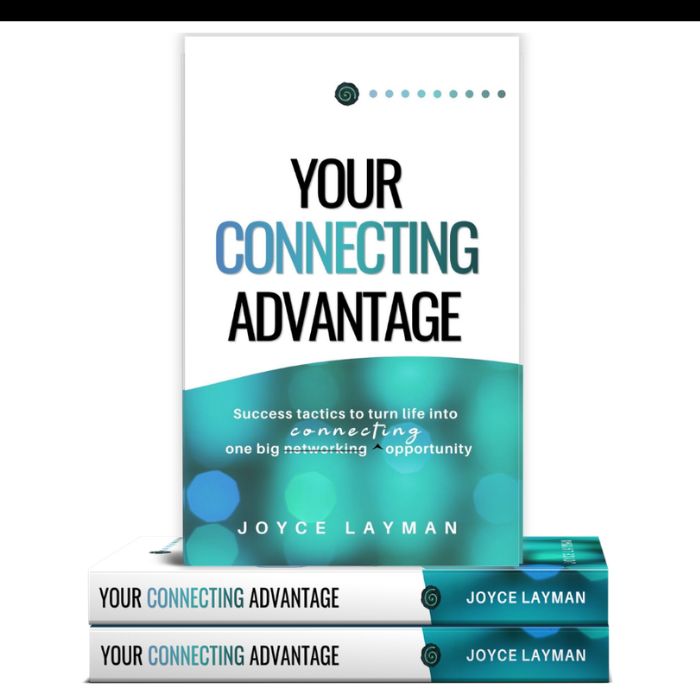
This is something I wrote about in Your Connecting Advantage, because the data around follow-up in sales and business development is wild. The people who do it well don’t stand out because they’re aggressive. They stand out because they stay visible in a way that feels natural and helpful.
This is also why nudging someone from social media onto your email list matters so much. Email gives you a way to follow up consistently with insights and offers that meet people where they are in their buyer’s journey, instead of starting over every time.
When Sales Gets in Your Head
Sales has a way of triggering overthinking.
Silence feels louder than it should. A missed click turns into a story. A delayed response starts a spiral.
When that happens, it’s often not a sales problem at all. It’s a mindset one.
If you notice yourself getting stuck in your head after sending an email or having a conversation, 3 Unexpected Ways to Shift Your Mindset to Get Better Results can help you reset before you start changing tactics that don’t actually need fixing.
Who Your Ideal Clients Are Becoming
Your ideal clients aren’t just buying a solution.
They’re becoming someone who:
- Stops second-guessing every decision
- Follows through instead of circling back to the same stuck point
- Makes investments based on clarity, not urgency
- Builds momentum without feeling like they’re constantly behind
They want to trust themselves again. To make decisions without spinning. To set goals that feel bold but grounded, instead of realistic to the point of playing small.
When you understand who they want to become, not just what they want to fix, your sales conversations change. They become less about convincing and more about alignment.
This is also where setting bold goals becomes part of the lead generation and sales conversation. People don’t invest because of tactics alone. They invest when they can see themselves on the other side of the decision.
Two Simple Action Steps
When lead generation is treated as part of the sales process, not something separate or sleazy, everything gets simpler.
If you’re earlier in your business:
Write out your ideal client profile today. Be specific. If you can’t describe them clearly, start there. Getting more leads doesn’t work without that foundation.
If you’re more experienced:
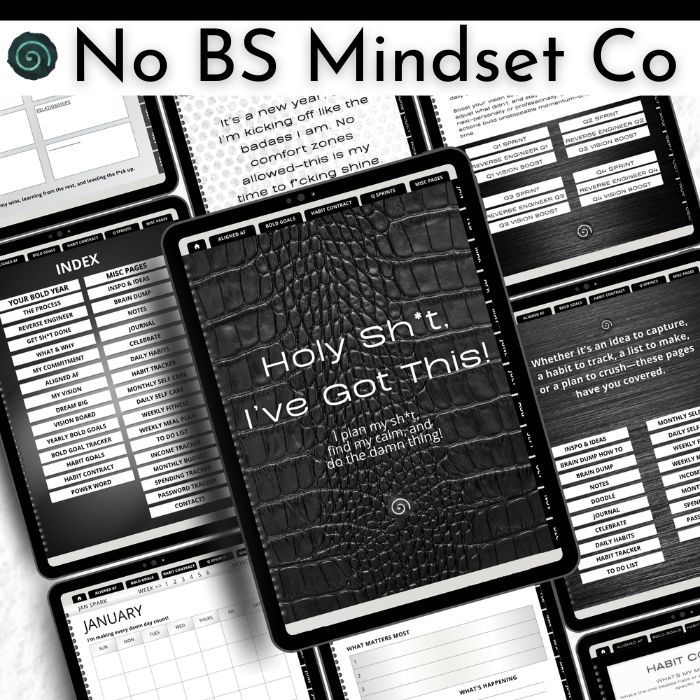
Review your last ten sales conversations. Which ones were truly qualified? Which ones weren’t? Adjust your follow-up based on signals, not assumptions. If follow-through has been an issue, revisiting your goal-setting framework can tighten this entire process.
And most importantly…be consistent in your actions. The activities you do today will determine your revenue 90-days from now. So if you’re wondering how to get more leads in your business, hopefully you walked away with some insights to take action on today.