A client once asked me during a coaching session,
“How do I build trust with my audience when I’m just starting my business?”
It’s such a good question—because whether you’re leading a team, serving clients, or figuring out your next move as a new entrepreneur, everything runs on trust.
And yet, most people overcomplicate it.
They think they need a huge following, a fancy brand, or years of experience before people will trust them.
But that’s not how it works.
I learned this years ago from my friend Bob Burg, co-author of The Go-Giver and Endless Referrals. Bob taught me that trust is built in small increments—tiny choices that signal reliability, empathy, and integrity.
Those moments matter more than any marketing plan or mission statement.
So whether you’re showing up for your friends, your clients, or your colleagues, these are the quiet, ordinary ways trust is built.
The Small Things That Build Big Trust
Each of these starts in real life—and translates beautifully to both business ownership and the workplace.
✅ You do what you said you were going to do.
-
Personal: You send that link you promised or call when you said you would.
-
Entrepreneur: You deliver what you sold, meet deadlines, and follow through.
-
Corporate: You keep your word on projects and communicate if something shifts.
✅ You save someone a seat.
-
Personal: You include people, even the quiet ones.
-
Entrepreneur: You make clients and community members feel welcome from day one.
-
Corporate: You invite new voices into conversations so no one’s left out.
✅ You don’t talk behind people’s backs.
-
Personal: You protect your relationships by keeping confidence.
-
Entrepreneur: You don’t trash competitors or clients online.
-
Corporate: You avoid gossip and speak directly with the person involved.
✅ You ask, “Have you talked to them about how you’re feeling?”
-
Personal: You encourage honest communication instead of venting.
-
Entrepreneur: You ask clients what’s really going on before assuming.
-
Corporate: You foster open dialogue and help teammates resolve issues early.
✅ You remember names and details.
-
Personal: You remember their kid’s recital or their favorite wine.
-
Entrepreneur: You personalize your emails or note small wins your clients mention.
-
Corporate: You bring up something from a previous meeting—it shows you listened.
✅ You show up even when it’s inconvenient.
-
Personal: You help someone move or pick them up from the airport.
-
Entrepreneur: You deliver on your promises, even when you’d rather binge Netflix.
-
Corporate: You stay present for the hard projects, not just the easy wins.
✅ You admit mistakes. (Fess it and fix it.)
-
Personal: You apologize when you mess up dinner plans.
-
Entrepreneur: You own the tech glitch or typo and make it right fast.
-
Corporate: You take accountability—no finger-pointing, no hiding.
✅ You tell someone when they have broccoli in their teeth.
-
Personal: You save them from embarrassment.
-
Entrepreneur: You give constructive feedback that helps clients or peers improve.
-
Corporate: You deliver honest input with tact, not humiliation.
✅ You share your chocolate, cookies, or wine.
-
Personal: Because generosity builds connection.
-
Entrepreneur: You share tools, ideas, or introductions that make someone’s day easier.
-
Corporate: You share credit and resources so the whole team succeeds.
✅ You listen—really listen.
-
Personal: Eye contact. No scrolling while they talk.
-
Entrepreneur: You read comments, DMs, and feedback before replying.
-
Corporate: You give full attention in meetings and ask follow-up questions.
✅ You have people’s backs, even when they’re not around.
-
Personal: You defend a friend when others are unkind.
-
Entrepreneur: You advocate for clients or collaborators in new spaces.
-
Corporate: You speak up for your team’s work when leadership’s in the room.
✅ You do thoughtful things for no reason.
-
Personal: A text, a card, a coffee drop-off.
-
Entrepreneur: A surprise bonus or thank-you message to clients.
-
Corporate: A note to a coworker who crushed a project.
✅ You’re honest—with love.
-
Personal: You tell the truth, kindly.
-
Entrepreneur: You set clear expectations instead of overpromising.
-
Corporate: You lead with transparency—truth builds credibility faster than spin.
Why These Small Things Matter
Our brains are wired to scan for safety. Each small act of reliability tells someone’s subconscious,
“You’re safe with me.”
That’s the moment the nervous system relaxes, and real connection can happen.
Whether it’s a customer, a coworker, or your cousin, consistency + empathy = trust.
Trust doesn’t arrive fully formed after a sale or a handshake.
It’s built through thousands of little follow-throughs that prove you mean what you say.
A Quick Personal Story
When I first shifted my business online, I thought trust came from perfectly branded graphics and clever email funnels. But the truth? My most loyal clients didn’t buy because of any of that.
They stayed because I showed up when I said I would. I remembered details. I followed up.
That’s when it clicked: trust isn’t a marketing strategy—it’s a human strategy.
And the same applies in every boardroom, Zoom room, and coffee shop.
Reflection
Take a second to check yourself:
-
Are you keeping promises, even the small ones?
-
Are you listening as much as you talk?
-
Are you building trust in the relationships that matter most—personally and professionally?
Because here’s the truth: you can’t hack trust. You build it—slowly, consistently, and with heart.
Final Thought
Trust doesn’t happen because of titles, tenure, or followers.
It happens when your actions repeatedly say, “You can count on me.”
Do that often enough—and people will.
Want to go deeper?
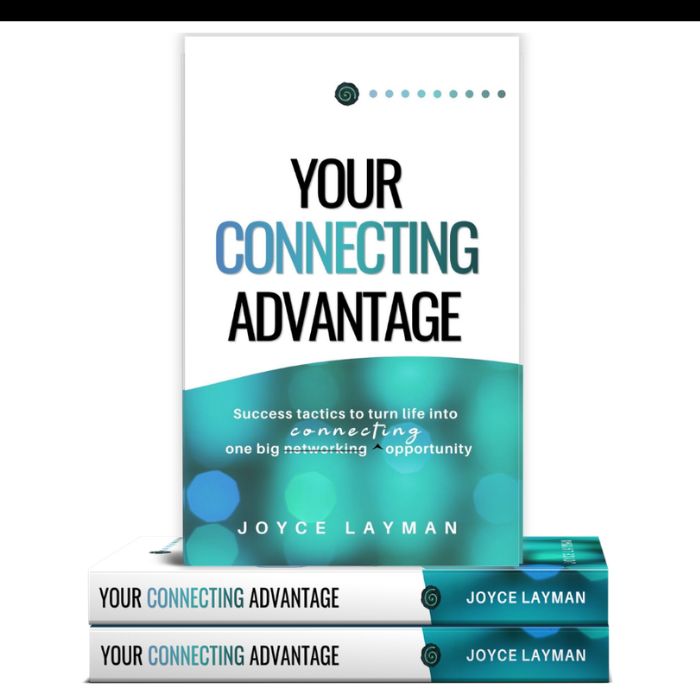
Grab a copy of my book Your Connecting Advantage — it’s packed with real-world stories, brain-based strategies, and practical tools to help you strengthen relationships that move your career (and life) forward.